30-Year Science Foundation. 30-Minute Results.
Molecular-grade accuracy. No instruments. No lab. Results in 30 minutes.
Molecular Accuracy Without the Lab
Using the well-established padlock probe technology, originally developed by Readily's co-founder Ulf Landegren and Professor Mats Nilsson, we have developed a sensitive method to detect ongoing infections — identifying the most common viruses and bacteria that may cause infectious disease, starting with respiratory disease.
The method uses padlock probes for target recognition, followed by isothermal amplification of reacted probes via rolling circle amplification (RCA). The use of padlock probes ensures specificity of target detection by virtue of the requirement for target recognition via two sequences located at the ends of the probes.
Standard molecular diagnostics — PCR, RT-PCR — require instruments, trained operators, and controlled lab conditions. They are gold standard for accuracy but impractical outside clinical labs. Readily's platform achieves comparable sensitivity and specificity through a different mechanism.
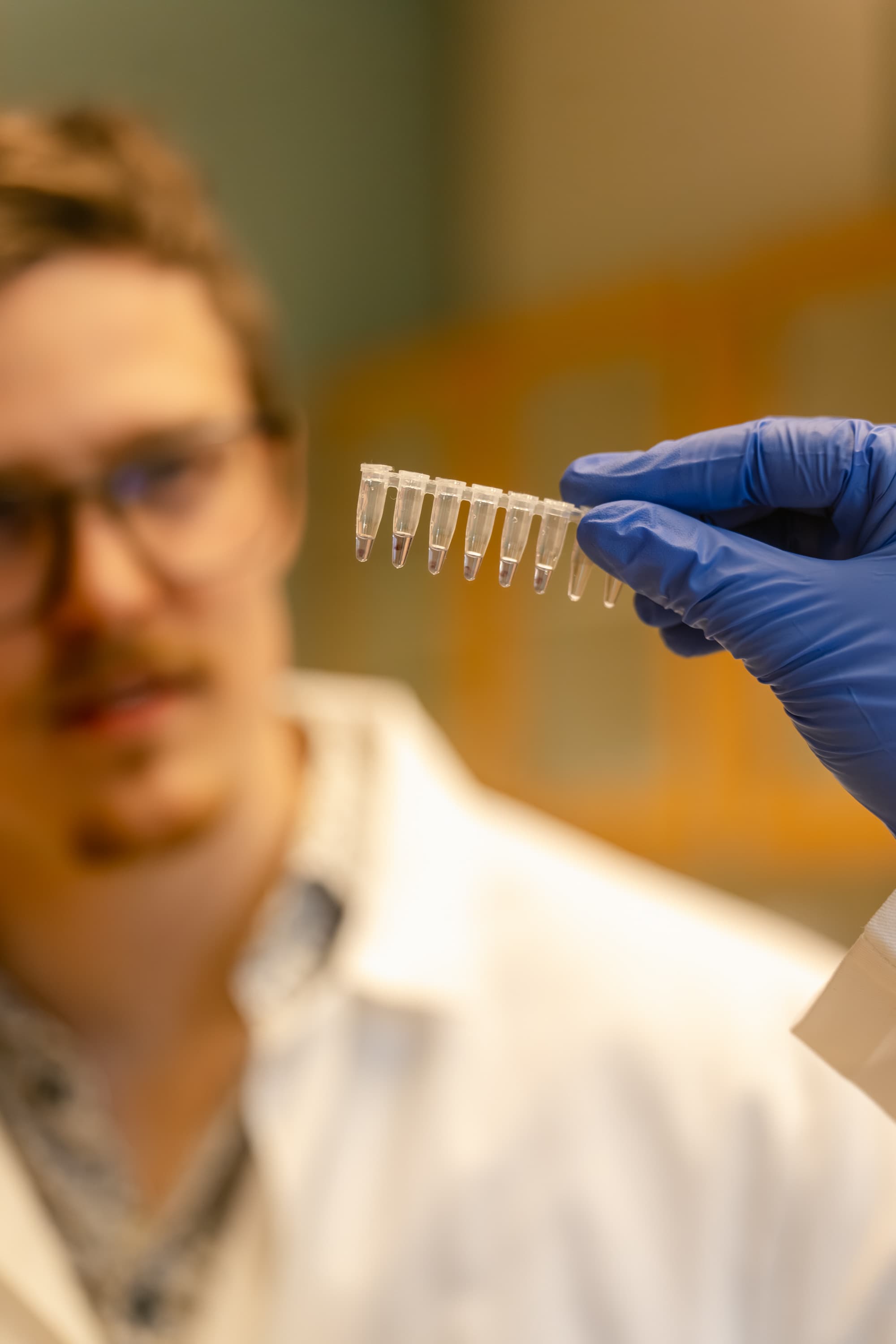
The Detection Process
From sample to visible result in 15–30 minutes, without any instrumentation.
Target Recognition
Padlock probes bind specifically to the pathogen's nucleic acid sequence in the sample. Multiple probes per pathogen increase sensitivity and guard against mutations.

Amplification
A bound probe triggers rolling-circle amplification (RCA) — creating a very large molecule from a single target. Our proprietary blocking oligonucleotide innovation enables this within 30 minutes, compared to 4–5 hours for standard RCA protocols.

Visual Detection
Detection beads hybridize to the amplified product, causing visible agglutination. Positive vs. negative is read visually. No instrument, reader, or electricity required. The entire reaction runs inside the test cartridge.

Key Advantages
No Instrumentation Required
Our tests do not require any instrumentation and can be used at point-of-care. No bigger than a credit card and requires no electricity.
High Sensitivity & Specificity
Achieves the robustness and specificity of RT-PCR through dual sequence recognition — similar to primer pairs in PCR but without thermal cycling.
Multiplex-Capable
Excellently suited for multiplex detection and distinction of multiple strains. Target specificity easily modified for detection of new variants.
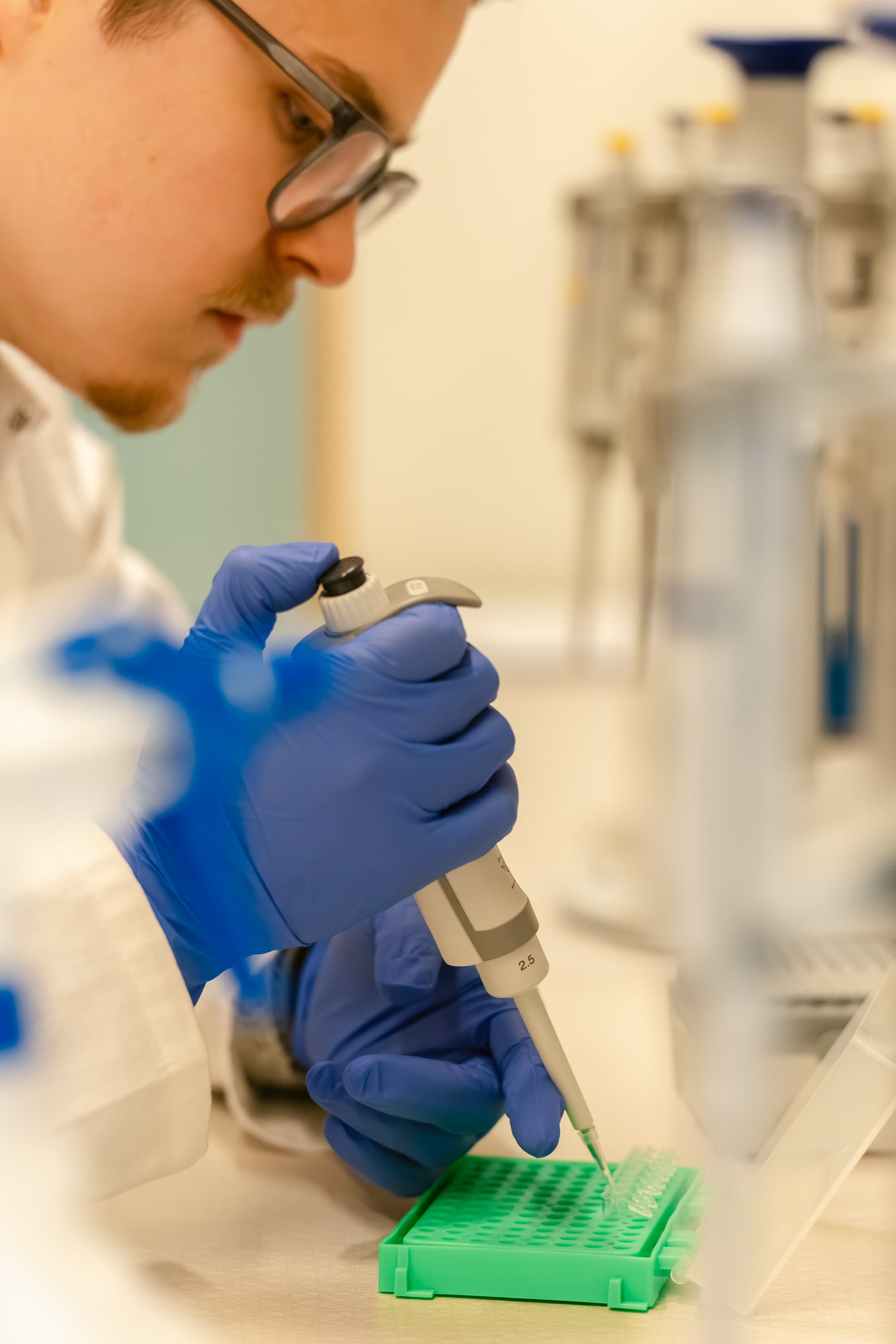
Point-of-Care Format
- Not bigger than a credit card — requires no electricity
- Designed for immediate bedside or clinic use
- Results available within 15–30 minutes
- Intuitive YES/NO visual readout — visible to the naked eye
- Insensitive to temperature variation
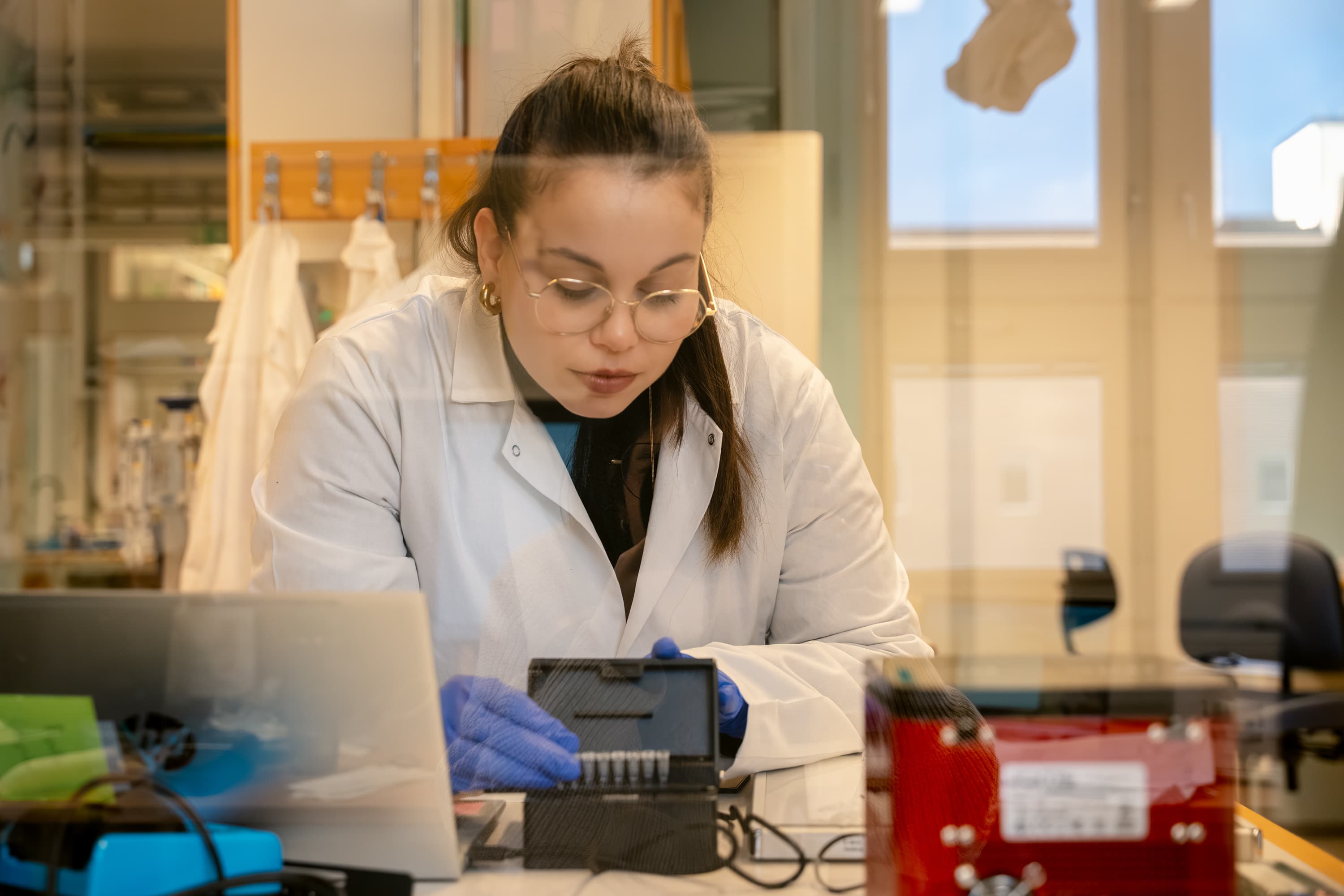
Laboratory Format
- Research Use Only product in microtiter plate format
- High-throughput testing of multiple samples
- Compatible with standard laboratory equipment
- Instrument-free or fluorescence readout options
- Scalable architecture for clinical workflows
Scientific Foundation
Publications
Padlock probes: circularizing oligonucleotides for localized DNA detection.
Mats Nilsson, Helena Malmgren, Martina Samiotaki, Marek Kwiatkowski, Bhanu P Chowdhary, Ulf Landegren
Science(1994)View publication →Signal amplification of padlock probes by rolling circle replication.
Johan Baner, Mats Nilsson, Maritha Mendel-Hartvig, Ulf Landegren
Nucleic Acids Research(1998)View publication →
Patent Information
Our technology is based on proprietary innovations protected by intellectual property rights. Patent details are available upon request.
Contact for Details